
Japanese tattoos are far more than beautiful artwork—they’re living stories etched into skin. Known as Irezumi, these stunning designs have captivated tattoo enthusiasts worldwide with their rich symbolism, intricate details, and profound cultural significance.
If you’ve ever wondered about the deeper meaning behind those magnificent koi fish swimming upstream or the fierce dragons coiled around someone’s arm, you’re in the right place. This comprehensive guide will unlock the secrets of Japanese tattoo symbolism, helping you understand why these designs continue to be among the most sought-after tattoo styles globally.
Whether you’re considering your first Japanese-inspired tattoo or simply curious about this ancient art form, we’ll explore everything from mythological creatures to color meanings, ensuring you have the knowledge to appreciate—and perhaps choose—these incredible designs with confidence.
History of Japanese Tattoos (Irezumi)
Ancient Origins and Cultural Evolution
The history of Japanese tattoos stretches back an incredible 14,500 years to the Palaeolithic period, making it one of humanity’s oldest body art traditions. Archaeological evidence from clay figurines shows early tattoo-like markings, while the first written records of Japanese tattooing date back to 300 AD.
The term Irezumi, literally meaning “inserting ink,” encompasses all forms of traditional Japanese tattooing. This art form evolved significantly during the Edo period (1600s), transforming from simple markings into the elaborate storytelling masterpieces we recognize today.
The Traditional Hand-Tattooing Method (Tebori)
Before modern tattoo machines existed, Japanese artists used a technique called Tebori or “hand tattooing.” This painstaking method involved:
- Long bamboo needle bars with metal groupings
- One puncture at a time (compared to modern machines’ 100 punctures per second)
- Extended, painful sessions that clients “earned” through endurance
- Deeper spiritual connection between artist and client
Some traditional artists still practice Tebori today, preserving this ancient craft for those seeking an authentic experience.
From Criminals to Art Form
Japanese tattoo culture has a complex relationship with society. During the 1600s, tattoos were primarily associated with criminals and gangsters, used as punishment marks that couldn’t be erased. The government even banned tattooing from 1896 to 1948 to improve Japan’s international image.
Today, while legal, tattoos still face cultural restrictions. Many hot springs, public baths, and establishments prohibit tattooed individuals, largely due to associations with Yakuza organized crime groups, whose full-body tattoos (called horimono) symbolize strength, loyalty, and brotherhood.
Animal Tattoo Meanings in Japanese Culture
Dragon (Ryu) – The Supreme Symbol
Dragons reign supreme in Japanese tattoo symbolism, representing far more than mere power. Unlike Western depictions of destructive beasts, Japanese dragons embody:
Core Meanings:
- Wisdom and generosity
- Protection against evil
- Control over natural elements (wind, rain, fire)
- Profound blessing and strength
Visual Elements:
- Three toes/claws (distinguishing them from Chinese dragons)
- Cow-like ears, deer horns, monkey eyes
- Pearl or jewel in claws (representing universal essence)
- Color significance: Green connects to nature, gold represents virtue
Tiger (Tora) – The Fierce Protector
Tigers in Japanese tattoo culture symbolize incredible strength and protective power. These majestic creatures represent:
- Courage and bravery in facing life’s challenges
- Protection against disease, evil spirits, and misfortune
- Autumn and north direction in spiritual beliefs
- Leadership qualities and territorial defense
Traditional designs often show tigers fighting Shoki (a mythical ghost hunter), emphasizing their role as spiritual protectors.
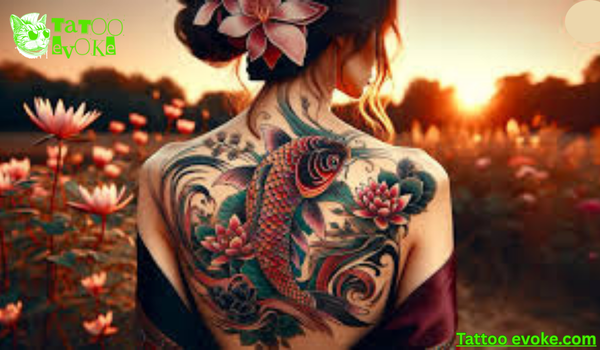
Koi Fish – The Symbol of Perseverance
Perhaps the most recognizable Japanese tattoo design, koi fish carry deep philosophical meaning rooted in ancient Chinese legend:
The Dragon Gate Legend:
- Carp attempting to swim upstream to Dragon Gate Falls
- Few succeed in the treacherous journey
- Those reaching the top transform into dragons
- Symbolizes persistence, determination, and achieving dreams
Color Meanings:
- Red koi: Love and passion
- Golden koi: Wealth and prosperity
- Black koi: Overcoming adversity
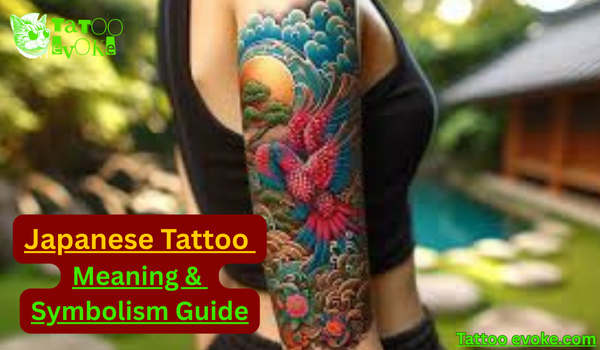
Phoenix (Hou-Ou) – Resurrection and Renewal
The Japanese phoenix represents the ultimate symbol of rebirth and triumph. This magnificent bird embodies:
- Resurrection from life’s challenges
- Imperial household connections
- Harmony and disharmony balance
- New eras and fresh beginnings
Phoenix tattoos often feature elaborate tail feathers and snake-like necks, showcasing the bird’s divine nature.
Snake (Hebi) – Transformation and Wisdom
Snakes hold complex symbolism in Japanese culture, representing both positive and mysterious forces:
Positive Attributes:
- Guardian protection against disasters and misfortune
- Healing and rebirth through skin shedding
- Wisdom in decision-making
- Prosperity for business owners
Cultural Significance:
- Power symbol for men, holiness for women
- Ability to transform into human form
- Connection to ancestor spirits and protection
Additional Sacred Animals
Cat: Good fortune, playfulness, charm
Frog: Safe travel, fertility, adaptability
Octopus: Intelligence, problem-solving, protection through multiple arms
Mythological Characters and Their Meanings

Samurai Warriors – Honor and Discipline
Samurai tattoos embody the highest ideals of Japanese culture:
- Discipline and honor in all aspects of life
- Loyalty to one’s principles and people
- Readiness to defend what matters most
- Noble character and moral strength
These designs often pair warriors with temples, creating powerful narratives about protection and spiritual devotion.
Geisha – Grace and Artistic Beauty
Geisha tattoos celebrate the epitome of Japanese artistic culture:
- Beauty and grace in movement and spirit
- Refinement and sophistication in all endeavors
- Artistic mastery and cultural preservation
- Feminine strength and independence
Hannya Mask – Complex Emotions
The Hannya mask represents one of Japanese tattoo art’s most complex symbols, depicting a woman transformed by jealousy into a demon:
Color Significance:
- White: Noble birth and higher social standing
- Red: Common people or provincial origin
- Deep red/Black: Complete demonic transformation
Emotional Depth:
- Anger and jealousy’s destructive power
- Remnants of humanity within darkness
- Passionate emotions thrown into disarray
- Warning against unchecked negative feelings
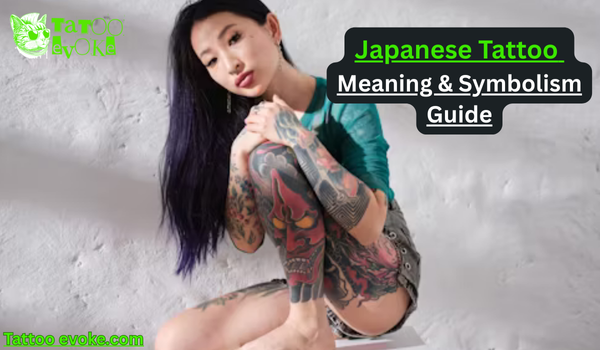
Oni – Demons and Divine Justice
Oni masks represent the supernatural forces that maintain cosmic balance:
Traditional Roles:
- Buddhist hell guardians executing divine justice
- Disease and disaster carriers serving higher powers
- Protectors of temples after death (benevolent oni)
- Powerful forces beyond human understanding
Visual Elements:
- Horns, fangs, and vibrant skin colors (pink, red, blue-grey)
- Expressions ranging from wrathful to protective
- Weapons like katanas and massive studded clubs (kanabō)
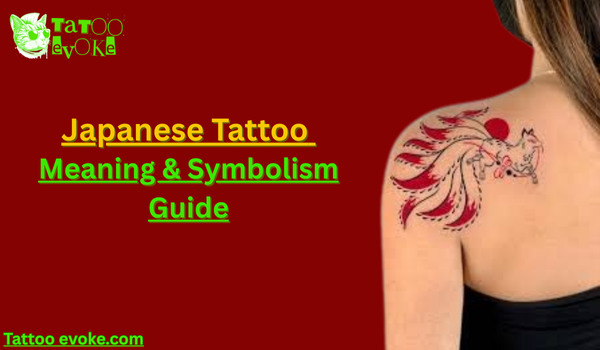
Kitsune (Fox Spirits) – Intelligence and Magic
Kitsune represent supernatural intelligence and magical abilities:
- Immortal wisdom gained through centuries of life
- Shape-shifting abilities to interact with humans
- Celestial ascension to become Tenko (heavenly foxes)
- Dual nature: Both benevolent guides and cunning tricksters
Natural Elements and Their Symbolism
Cherry Blossoms (Sakura) – Life’s Beautiful Impermanence
Cherry blossom tattoos capture Buddhism’s core teaching about impermanence:
Symbolic Meaning:
- Fleeting nature of life (blooming only 14 days)
- Beauty in transience and accepting change
- Sweet brevity of precious moments
- Spiritual awakening through acceptance
These delicate flowers often appear floating in wind, emphasizing their temporary nature and life’s precious fragility.
Lotus – Spiritual Transformation
The lotus flower represents one of Buddhism’s most powerful metaphors:
- Rising from mud to achieve spiritual purity
- Enlightenment through overcoming difficulties
- Rebirth and transformation in personal growth
- Divine beauty emerging from humble beginnings
Peony (Botan) – The King of Flowers
Known as the “King of Flowers” in Japanese culture, peonies symbolize:
- Wealth and prosperity in all endeavors
- Romance and good fortune in relationships
- Bravery and courage facing life’s challenges
- Honor and nobility of character
Interestingly, peonies aren’t native to Japan—Buddhist monks brought them from China, adding layers of cultural exchange to their meaning.
Bamboo – Flexible Strength
Bamboo represents the ideal balance of strength and adaptability:
- Resilience through life’s storms
- Durability despite appearing delicate
- Flexibility without breaking under pressure
- Rapid growth and renewal
Wind, Water, and Waves – Natural Forces
Background elements like wind bars (kaze), water, and waves serve crucial symbolic and artistic purposes:
Wind Bars:
- Vertical lines or swirls representing change
- Impermanence of all things
- Movement and energy flow
Water and Waves:
- Adaptability and life-giving properties
- Continuity despite constant change
- Resilience in facing challenges
Colors and Their Deep Meanings
Understanding Japanese tattoo color symbolism is crucial for creating meaningful designs:
Sacred Color Meanings
Red – The Life Force:
- Blood and vital energy essential for life
- Protection when included in any design
- Joy, passion, and longevity
- Happiness and celebration
White – Pure Beginnings:
- Innocence and purity of fresh starts
- Honesty and truthfulness
- Spiritual cleansing and new opportunities
Blue – Fortune and Loyalty:
- Financial success and material prosperity
- Good luck in endeavors
- Fidelity in relationships and commitments
Green – Natural Energy:
- Youth and vitality from nature’s power
- Life force and growth
- Connection to the natural world
Purple – Noble Elegance:
- Royalty and high social standing
- Classiness and sophistication
- Spiritual nobility of character
Pink – Delicate Femininity:
- Feminine energy and gentleness
- Fragility of life and beauty
- Tender emotions and sensitivity
Yellow – Dual Nature:
- Joy and optimism (positive interpretation)
- Deceit and warning (negative interpretation)
- Context and combination determine meaning
Japanese Tattoo Culture and Society
Modern Cultural Challenges
Despite their artistic beauty, Japanese tattoos face ongoing cultural challenges:
Current Restrictions:
- Hot springs (onsen) often ban tattooed visitors
- Public baths and swimming pools may refuse entry
- Some employers discriminate against visible tattoos
- Gyms and sports facilities frequently have policies
Yakuza Association: The connection between tattoos and Yakuza organized crime continues to influence public perception:
- Horimono: Full-body tattoo suits worn by members
- Strength, loyalty, brotherhood symbolism within groups
- Mainstream negative perception due to criminal associations
Changing Attitudes
Younger generations increasingly appreciate tattoos as art forms, and international influence is gradually shifting perspectives. However, cultural sensitivity remains important for both visitors and residents.
Prominent Japanese Tattoo Artists

Masters of Traditional Art
Horiyoshi III:
- 40+ years of industry experience
- Master of traditional techniques and cultural preservation
- Intricate designs maintaining authentic symbolism
- Dedication to passing knowledge to new generations
Shige:
- Contemporary approach to traditional themes
- Award-winning work influencing global artists
- Bold color usage and modern interpretation
- Bridge between traditional and contemporary styles
Horitomo:
- Expert in mythology and folklore
- Author of several books on Japanese tattooing
- Creator of Monmon Cats (tattooed cat characters)
- Cultural educator and tradition keeper
Kazuo Oguri:
- Intricate, detailed designs winning international awards
- Global ambassador for Japanese tattoo art
- Technical mastery in traditional techniques
Neo-Japanese Style – Modern Evolution
Contemporary Innovation
Neo-Japanese or “new Japanese” emerged in the late 20th century, blending traditional elements with modern creativity:
Characteristics:
- Traditional imagery (dragons, koi, cherry blossoms)
- Modern techniques and equipment
- Pop culture references and contemporary themes
- Abstract design elements and creative interpretation
- Flexible rules allowing artistic freedom
Global Popularity: The style gained international recognition through:
- Internet exposure to Japanese culture
- Anime and manga influence
- Artist creativity blending Eastern and Western styles
- Accessibility for non-Japanese clients
Design Principles for Japanese Tattoos
Storytelling Through Ink
Japanese tattoos excel at narrative art, with each design telling meaningful stories:
Personal Mythology:
- Client’s journey reflected in chosen symbols
- Life challenges represented through animal struggles
- Aspirational qualities embodied in mythological figures
- Cultural connection honoring Japanese traditions
Symbol Combinations:
- Koi and waterfalls: Perseverance through adversity
- Samurai and temples: Honor and spiritual protection
- Phoenix and flames: Rebirth after destruction
- Dragons and pearls: Wisdom controlling natural forces
Working with Body Flow
Japanese tattoo designs must harmonize with natural body contours:
Design Principles:
- Follow muscle lines and natural curves
- Use S-shaped movements following body’s flow
- Integrate background elements (wind, water, clouds)
- Create cohesive compositions across large areas
Size Considerations:
- Large-scale designs allow for proper detail
- Full sleeves, back pieces, bodysuits are traditional
- Small tattoos rarely capture authentic style essence
- Multiple sessions required for proper completion
Bold Linework and Contrast
Japanese tattoos require strong visual impact:
Technical Requirements:
- Bold, clear lines maintaining separation between elements
- High contrast for readability from distance
- Deep, saturated colors for longevity
- Strategic use of negative space
Visual Hierarchy:
- Main subject (dragon, koi, etc.) as focal point
- Supporting elements (flowers, waves) providing context
- Background elements creating movement and flow
- Color balance maintaining harmony
Conclusion
Japanese tattoos represent far more than beautiful body art—they’re windows into one of the world’s richest cultural traditions. From the ancient practice of Irezumi to modern Neo-Japanese interpretations, these designs continue to captivate and inspire people worldwide.
Whether you’re drawn to the perseverance symbolized by koi fish, the protective power of dragons, or the artistic elegance of cherry blossoms, understanding these meanings deepens your appreciation for this incredible art form.
Remember that getting a Japanese tattoo is not just about choosing attractive imagery—it’s about connecting with centuries of cultural wisdom, artistic mastery, and spiritual symbolism. Take time to research, find skilled artists who respect the traditions, and choose designs that resonate with your personal journey.
The world of Japanese tattoo meaning is vast and profound. By approaching it with respect, curiosity, and cultural sensitivity, you’ll not only end up with stunning artwork but also carry meaningful stories that honor this ancient and beautiful tradition.
FAQs
1. Are Japanese tattoos illegal in Japan?
No, Japanese tattoos are not illegal. However, some public places like gyms, spas, and onsens (hot springs) still ban people with tattoos. This is slowly changing as tattoos become more accepted.
2. What does a koi fish tattoo mean in Japanese culture?
A koi fish tattoo represents perseverance, strength, and overcoming obstacles. In Japanese culture, koi are seen as powerful creatures that swim upstream, symbolizing determination and success.
3. Do Japanese tattoos have to cover the whole body?
No, but traditional Irezumi are often large and designed to flow across the body. You can still get smaller pieces like a koi, dragon, or cherry blossom — just expect less storytelling detail.
4. Are Japanese tattoos painful?
Yes, Japanese tattoos can be quite painful because they involve bold lines, shading, and large coverage areas. Pain varies by placement, but the result is worth it for the lasting art.
5. What are the most popular Japanese tattoo motifs?
Common motifs include koi fish, dragons, tigers, phoenix, cherry blossoms, peonies, Hannya masks, geisha, samurai, waves, and wind bars. Each has a unique meaning tied to Japanese culture.
6. Can foreigners get traditional Japanese tattoos?
Yes! Foreigners can get Irezumi tattoos, but it’s important to research symbolism and work with an experienced artist to ensure cultural respect and accurate design choices.
Explore More: Related Articles
Tattoo Meaning in English: 5 Powerful Symbols and Their Deep Meanings
Tattoo Ideas 2025: 500+ Best Designs, Meanings & Placement Guide
Ultimate Guide to Geometric Tattoos: Meanings & Designs 2025
Snake Tattoo Meaning: Decoding Symbolism, Culture & Your Perfect Ink
Hamsa Tattoo Meanings & 50+ Design Ideas (Ultimate Guide 2025)
Tiger Tattoo Meaning: 2025 Complete Guide + 50 Stunning Design Ideas